Insulation Thickness Calculator
Thickness is the target R-value divided by the material's R-value per inch. The same R-49 attic is about 14 inches of blown cellulose but nearly 20 inches of blown fiberglass, and R-21 fits a 2×6 wall only with a denser batt. Pick a material, enter the R-value you want, and see the inches you need and whether it fits the cavity.
Your project
2021 IECC attics: R-30 in zone 1, R-49 in zones 2–3, R-60 in zones 4–8.
Leave blank to use the material's figure, or enter the R per inch from your product's label.
Your results
- Thickness needed
- 14 in
- 35.6 cm at R-3.5 per inch
- Smallest framing cavity it fills
- Deeper than a 2×12: an open attic floor or added depth
- In feet
- 1.17 ft
Estimates use typical US material and labor pricing. Confirm quantities against the coverage chart on the bag before you buy.
Gear for this job
Blown In Cellulose Insulation

Attic Measuring Rulers - Attic Insulation R-Value Ruler,Thick Card Stock,25 inches,for Ceiling Insulators Insulation (30)
$26.99
Check price on Amazon

Aimee’s Workshop Attic Anchor - Insulation Ruler Depth Markers for Blown-in Insulation 30 Pack, 24 Inch Heavy Cardstock
$29.98
Check price on Amazon

Attic Insulation R-Value Ruler - Attic Measuring Rulers, 25 Inch Colorful Card Stock Attic Depth Ruler for Home,(100 per Pack (100)
$42.99
Check price on Amazon
Mineral Wool Insulation Batts

Rockwool 8# Density Foil-Faced Stone Wool Insulation Mineral Wool Panels, Batts - 2" Thick, 2'x4' (7) per Pack, Pro-Grade Acoustic Soundproofing, Thermal Barrier & Fire Block
$259.70
Check price on Amazon
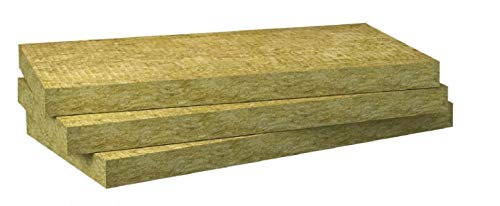
ProRox SL 960 Rockwool, Roxul, Mineral Wool Insulation Board High Temperature 8# Density 4"
$227.90
Check price on Amazon

1 1/2 in x 48 in x 24 in Mineral Wool High Temperature Insulation, 8#, Mfr: 40325-A
$46.00
Check price on Amazon
As an Amazon Associate I earn from qualifying purchases. Product links on this page may earn us a commission at no extra cost to you.
Prices as of Oct 1, 2026, 4:38 AM UTC. Product prices and availability are accurate as of the date/time indicated and are subject to change. Any price and availability information displayed on Amazon.com at the time of purchase will apply to the purchase of this product.
How this calculator works
- Thickness (in) = target R-value ÷ R-value per inch
- Centimetres = inches × 2.54
- Cavity depths are actual lumber sizes: 2×4 = 3.5 in, 2×6 = 5.5 in, 2×8 = 7.25 in, 2×10 = 9.25 in, 2×12 = 11.25 in
Inches of insulation for common R-values
| Material | R-13 | R-21 | R-30 | R-49 | R-60 |
|---|---|---|---|---|---|
| Fiberglass batt | 3.5 in | 5.7 in | 8.1 in | 13.2 in | 16.2 in |
| Mineral wool batt | 3 in | 4.9 in | 7 in | 11.4 in | 14 in |
| Blown cellulose (loose-fill) | 3.7 in | 6 in | 8.6 in | 14 in | 17.1 in |
| Blown fiberglass (loose-fill) | 5.2 in | 8.4 in | 12 in | 19.6 in | 24 in |
| XPS rigid foam board | 2.6 in | 4.2 in | 6 in | 9.8 in | 12 in |
Computed with this calculator. Loose-fill settles over time; the bag's coverage chart lists both installed and settled thickness, so blow to the installed figure.
Where the R-per-inch figures come from
Batts are rated as a product, so R per inch comes from the rating and the thickness on the data sheet: an Owens Corning EcoTouch R-13 batt is 3-1/2 inches (R-3.71 per inch) and a ROCKWOOL Comfortbatt R-15 is also 3-1/2 inches (R-4.29 per inch). Loose-fill varies with how densely it is blown, so the calculator uses the middle of the ranges the US Department of Energy publishes: R-3.2 to 3.8 per inch for cellulose and R-2.2 to 2.7 for fiberglass. XPS board is made to ASTM C578, which sets R-5.0 per inch for the common types.
If your product's label gives a different figure, type it into the R-value per inch box and the result follows it. The label or coverage chart is always the final word for the product you buy.
When the cavity is too shallow
A batt squeezed into a shallower space loses R-value, so do not compress a thick batt to fit. If the thickness you need is more than the cavity depth, choose a denser material (mineral wool instead of standard fiberglass), add continuous rigid foam over the framing, or deepen the cavity. In an open attic floor, loose-fill can be blown deeper than the joists.
Frequently asked questions
How thick is R-49 insulation?
About 14 inches of blown cellulose at R-3.5 per inch, or about 19.6 inches of blown fiberglass at R-2.5 per inch. Check the bag's coverage chart for the exact installed depth of your product.
How thick is R-30 insulation?
About 8.1 inches of fiberglass batt at R-3.71 per inch, 8.6 inches of blown cellulose, or 12 inches of blown fiberglass.
How do you calculate insulation thickness from R-value?
Divide the R-value you want by the material's R-value per inch. R-21 of mineral wool at R-4.29 per inch is 21 ÷ 4.29 = 4.9 inches, which fits a 2×6 wall's 5.5 inch cavity.
How much R-value do I need in my attic?
The 2021 International Energy Conservation Code asks for R-30 in climate zone 1, R-49 in zones 2 and 3, and R-60 in zones 4 to 8 for new ceilings. Local codes may adopt a different edition.
Related calculators
Free app
Run this calculator on your phone
Offline-ready, saves your results, no signup.
Thickness needed
14 in