Soundproofing & Acoustic Insulation Calculator
Ver en españolAcoustic panels needed = wall area × the share to treat ÷ panel size: about 15% of the wall for an office or bedroom, 22% for a media room and 35% for a studio. A 14 × 12 ft room with 8 ft ceilings has 2 × (14 + 12) × 8 = 416 sq ft of wall; at 22% that is about 92 sq ft, or 13 panels of 2 × 4 ft with 10% waste. Panels treat echo; blocking sound takes mass and mineral wool in the cavities, which this sizes too.
Last updated
Your project
Covers cuts, compression and odd bays. 10% is the usual default.
Your results
- Wall surface area
- 416 sq ft
- Ceiling area
- 168 sq ft
- Acoustic panel coverage
- 92 sq ft
- 22% of wall area
- Panels required
- 101 panels
- Mineral wool batts for cavities
- 642 sq ft
- Safe'n'Sound style, inside the framing
- Expected assembly rating
- STC 45–50
- Estimated material cost
- $939
Estimates use typical US material and labor pricing. Confirm quantities against the coverage chart on the bag before you buy.
Save this calculation in the free app
Smart Insulation Calculator keeps your insulation jobs on your phone, offline. On iPhone? It's inside Roofing Calculator & Estimator.
Gear for this job
Acoustic Soundproofing Panels

ZHOJEREL 5 Pack Sound Proof Foam Panels for Walls 47.2"x23.6" Large Acoustic Panels Sound Absorbing, Self-Adhesive Soundproof Wall Panels for Home Studio, Office, Recording, Black Black
$60.29
Check price on Amazon

24 Pack Black 2"X 12" X 12" Inches Egg Pattern Designed Acoustic Foam Panels ,Sound Proof Foam Panels for Walls,High Density Sound Acoustic Panels for Recording Home Studio Recording Office
$30.99
Check price on Amazon

FONESO Acoustic Panels, High Density Soundproof Foam Panels, Fire Resistant Sound Absorbing Acoustic Foam Panels for Studio Recording, Black 1"x12"x12" 12 Pack with Adhesive
$18.96
Check price on Amazon
Rockwool Safe N Sound
Mineral Wool Insulation Batts

Rockwool 8# Density Foil-Faced Stone Wool Insulation Mineral Wool Panels, Batts - 2" Thick, 2'x4' (7) per Pack, Pro-Grade Acoustic Soundproofing, Thermal Barrier & Fire Block
$259.70
Check price on Amazon
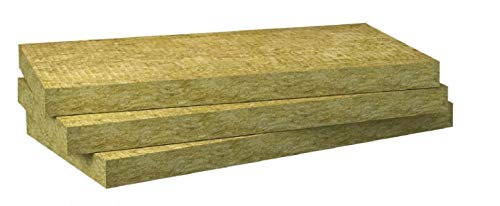
ProRox SL 960 Rockwool, Roxul, Mineral Wool Insulation Board High Temperature 8# Density 4"
$227.90
Check price on Amazon

1 1/2 in x 48 in x 24 in Mineral Wool High Temperature Insulation, 8#, Mfr: 40325-A
$46.00
Check price on Amazon
As an Amazon Associate I earn from qualifying purchases. Product links on this page may earn us a commission at no extra cost to you.
Prices as of Oct 11, 2026, 4:41 AM UTC. Product prices and availability are accurate as of the date/time indicated and are subject to change. Any price and availability information displayed on Amazon.com at the time of purchase will apply to the purchase of this product.
How this calculator works
- Wall area = 2 × (length + width) × ceiling height
- Panel coverage = wall area × treatment percentage for the room type
- Panels = coverage × (1 + waste %) ÷ panel square footage
Keep going
- Fixing echo rather than noise? reverberation time (RT60) and acoustic panel calculator
Frequently asked questions
Does insulation actually stop sound?
Cavity insulation like mineral wool kills the resonance inside a wall and typically adds 4 to 6 STC points. Big gains come from mass (a second layer of drywall) and decoupling (resilient channel or clips).
How many acoustic panels do I need?
Treating 15 to 25% of the wall surface handles most rooms. Studios go to 35%. Start with first reflection points and the wall behind you.
Does insulation soundproof a wall?
It absorbs airborne sound within the cavity, which helps, but it does not stop sound transmitting through the structure. A wall's sound rating depends far more on mass, decoupling and airtightness than on what is in the bays. Insulation alone typically moves a wall a few STC points — real improvement needs the assembly changed, not just filled.
What is the difference between soundproofing and sound absorption?
Soundproofing stops sound passing from one space to another; absorption reduces reflections within a space. Foam panels on a wall make a room sound less echoey — that is absorption — and do essentially nothing for the neighbour hearing you. Confusing the two is the single most common reason a soundproofing project disappoints.
Is mineral wool better than fibreglass for sound?
Slightly, at typical densities, and it is easier to friction-fit tightly which matters because gaps leak sound. The difference between the two is small compared with the difference made by decoupling the drywall or adding a second layer with damping compound. Choose on price and handling unless the rest of the assembly is already done properly.
Related calculators
Free app
Run this calculator on your phone
Offline-ready, saves your results, no signup.
Wall surface area
416 sq ft