Blown-In Insulation Calculator
Loose-fill is sold by the bag, and each bag covers less area the deeper you blow it. Enter your area and target R-value to get the bag count, settled depth and cost.
Your project
Covers cuts, compression and odd bays. 10% is the usual default.
Your results
- Bags required
- 108 bags
- Coverage per bag
- 12.2 sq ft at R-49
- Settled depth
- 13.6 in
- Estimated material cost
- $1,728
- Blower rental (1 day)
- $110
- Often waived with a minimum bag purchase
- Pro installed estimate
- $2,223
Estimates use typical US material and labor pricing. Confirm quantities against the coverage chart on the bag before you buy.
Save this calculation in the free app
Smart Insulation Calculator keeps your insulation jobs on your phone, offline. On iPhone? It's inside Roofing Calculator & Estimator.
Gear for this job
Blown In Cellulose Insulation

Aimee’s Workshop Attic Anchor - Insulation Ruler Depth Markers for Blown-in Insulation 30 Pack, 24 Inch Heavy Cardstock
$29.98
Check price on Amazon

Attic Measuring Rulers - Attic Insulation R-Value Ruler,Thick Card Stock,25 inches,for Ceiling Insulators Insulation (100 per Pack)
$42.99
Check price on Amazon

Attic Insulation R-Value Ruler - Attic Measuring Rulers, 25 Inch Colorful Card Stock Attic Depth Ruler for Home,(100 per Pack (100)
$42.99
Check price on Amazon
Insulation Blower Machine Rental

Pangda 10 Pack Insulation Removal Vacuum Bags Heavy Duty 75 Cu ft,Black
$95.99
Check price on Amazon

BLACK+DECKER Leaf Blower Leaf Vacuum and Leaf Mulcher 3-in-1, Electric Blowers for Lawn Care, 12 Amp, 250 MPH, 400 CFM (BV6000)
$79.00
Check price on Amazon

(10) Insulation Vacuum Bag RAM Heavy Duty ECO+ Bags 7 FT X 4 FT Holds 88 CF / 400 LBS Low DUST 2.4 Fabric Strength - 10 Pack. Largest and Toughest Green Bag on The Market.
$132.94
Check price on Amazon
Attic Ventilation Baffles

SmartBaffle 24 Insulation Baffle - Durable Polyethylene Attic Baffles for 24" On-Center Rafter Bays with 2" Air Channel - Rafter Vents Improve Roof Ventilation & Prevent Insulation Blockage- 30 pieces
$172.50
Check price on Amazon
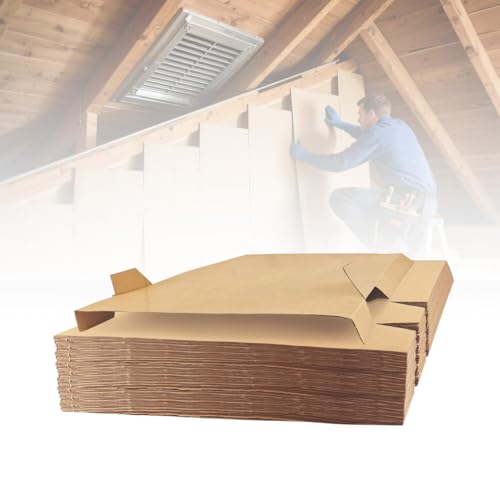
Sunmuliiiy Cardboard Attic Baffles 25"x24" 75 Pcs Corrugated Cardboard- Bundle Attic Insulation Baffle Rafter Vents Improve Roof Ventilation and Prevent Insulation Blockage
$84.99
Check price on Amazon
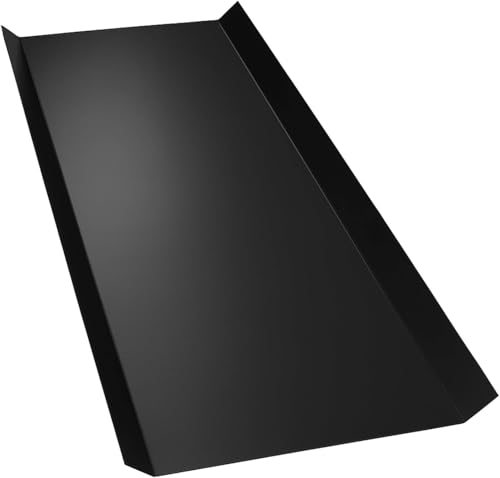
SmartBaffle 16 Attic Insulation Baffle - Polyethylene Attic Baffles for 14.5" Rafter Bays with 2" Air Channel - Rafter Vents Improve Roof Ventilation and Prevent Insulation Blockage - Black- 36 pieces
$153.00
Check price on Amazon
As an Amazon Associate I earn from qualifying purchases. Product links on this page may earn us a commission at no extra cost to you.
Prices as of Oct 11, 2026, 4:41 AM UTC. Product prices and availability are accurate as of the date/time indicated and are subject to change. Any price and availability information displayed on Amazon.com at the time of purchase will apply to the purchase of this product.
How this calculator works
- Bags = (target R × area) ÷ bag coverage rating
- Coverage per bag = bag rating ÷ target R
- Settled depth = target R ÷ R-per-inch
Keep going
- Step by step: how to blow in attic insulation
- Comparing prices? insulation cost per square foot in 2026
- Dam and foam for the access hatch: attic hatch insulation calculator
Frequently asked questions
Cellulose or blown fiberglass?
Cellulose packs a bit more R per inch and blocks air movement better; fiberglass is lighter, won't absorb water, and won't settle as much. Both perform fine when installed to the depth on the bag.
Do I need to rent a blower?
Yes for anything over a small area. Most big-box stores lend the machine free when you buy enough bags — usually 10 to 20.
How many bags of insulation do I need per square foot?
It depends on the R-value you are aiming for, not on the area alone. Manufacturers publish coverage as an R-value at a given square footage per bag, so the same bag covers roughly half as much area at R-60 as at R-30, because you are laying it twice as deep. The calculator takes your target R-value and area and returns the bag count directly.
Cellulose or fibreglass for blown-in?
Cellulose has a higher R per inch, so it reaches a target in less depth, and it packs more densely which slows air movement through it. Blown fibreglass is lighter, which matters on a ceiling with marginal framing, and it does not absorb water in the way cellulose does. Both are established; the choice usually comes down to depth available and local price.
Does blown-in insulation settle?
Yes, and the published coverage figures already account for it — manufacturers rate bags at settled thickness rather than the depth it looks immediately after blowing. This is why you should install to the marked depth and expect it to drop, rather than installing to the final depth and finding yourself short once it settles.
Related calculators
Free app
Run this calculator on your phone
Offline-ready, saves your results, no signup.
Bags required
108 bags