Heat Loss Calculator (BTU)
Heat loss through a surface is area divided by R-value, times the temperature difference. Enter your assembly to see the BTU per hour and what it costs you each year.
Your project
Your results
- Heat loss now
- 4,154 BTU/hr
- Heat loss after upgrade
- 1,102 BTU/hr
- Reduction
- 73%
- Annual fuel now
- 161 therms — $233
- Annual fuel after
- 43 therms — $62
- Annual saving
- $171
Estimates use typical US material and labor pricing. Confirm quantities against the coverage chart on the bag before you buy.
Save this calculation in the free app
Smart Insulation Calculator keeps your insulation jobs on your phone, offline. On iPhone? It's inside Roofing Calculator & Estimator.
Gear for this job
Thermal Imaging Camera Home Inspection


Infrared Thermometer Gun

Thermal Leak Detector Infrared
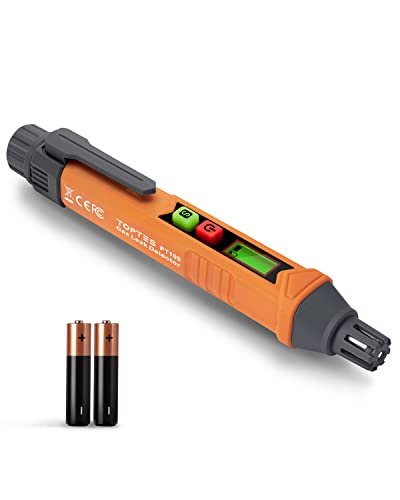
PT199 Natural Gas Leak Detector with Audible & Visual Alarm, Portable Gas Sniffer to Locate Combustible Sources Like Methane, Propane for Home(Includes Battery x2)-Orange
$22.99
Check price on Amazon
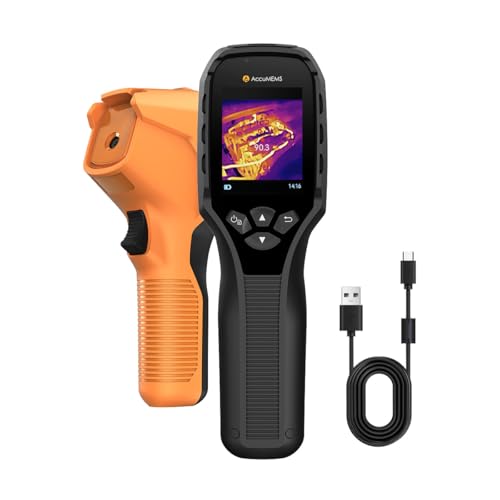
GT14S Thermal Imaging Camera with Edge Enhancement, Thermometer Mode
$89.99
Check price on Amazon

Flagfront Thermal Camera, 240 x 240 TISR Resolution for Home Inspection
$89.99
Check price on Amazon
As an Amazon Associate I earn from qualifying purchases. Product links on this page may earn us a commission at no extra cost to you.
Prices as of Oct 11, 2026, 4:41 AM UTC. Product prices and availability are accurate as of the date/time indicated and are subject to change. Any price and availability information displayed on Amazon.com at the time of purchase will apply to the purchase of this product.
How this calculator works
- Heat loss (BTU/hr) = area × temperature difference ÷ R-value
- Annual load ≈ area × heating degree days × 24 ÷ R ÷ 100,000
- Saving = fuel before − fuel after, at your energy price
Keep going
- Sizing a room air conditioner rather than a surface's heat loss? BTU calculator
- Ducting heat to the room: duct size calculator
Frequently asked questions
Why does doubling R-value not halve my bill?
Because the attic is only part of the envelope. Going R-13 to R-49 cuts that surface's loss by about 73%, but walls, windows, doors and air leakage keep on losing heat.
What temperature difference should I use?
Design conditions: your indoor set point minus the coldest typical outdoor temperature. Forty to sixty degrees is a realistic range for most of the US.
What is a heating degree day?
A measure of how cold a place is over a season: for each day, the number of degrees the average temperature falls below a base of 65°F, summed across the year. It lets you compare climates on one number, and it is what turns an instantaneous heat loss rate into an annual fuel figure.
Why is my calculated heat loss higher than my actual bill?
Because a conduction calculation assumes the house sits at a constant indoor temperature with no free heat. In reality the sun, your appliances, your cooking and the people in the house all contribute, and most people set back the thermostat overnight. Treat the figure as an upper bound for comparing before and after, rather than a bill prediction.
Does this include heat lost through air leakage?
No — it models conduction through the assembly only. In a draughty house infiltration can be a large share of total loss, and it is not something R-value fixes. If the house is leaky, air sealing usually returns more per pound spent than adding insulation does, and it should come first.
Related calculators
Free app
Run this calculator on your phone
Offline-ready, saves your results, no signup.
Heat loss now
4,154 BTU/hr