Spray Foam Insulation Calculator
Ver en españolSpray foam is sold in board feet — one square foot at one inch thick. Enter your area and target thickness to size the job, count kits, and compare DIY against a contractor.
Your project
Covers cuts, compression and odd bays. 10% is the usual default.
Your results
- Board feet required
- 1,980 bd ft
- R-value achieved
- R-19.5
- DIY kits needed
- 4 × 600 bd ft kits
- DIY kit cost
- $3,600
- Contractor estimate
- $2,673
- Sprayed, typical range
Estimates use typical US material and labor pricing. Confirm quantities against the coverage chart on the bag before you buy.
Save this calculation in the free app
Smart Insulation Calculator keeps your insulation jobs on your phone, offline. On iPhone? It's inside Roofing Calculator & Estimator.
Gear for this job
Spray Foam Insulation Kit

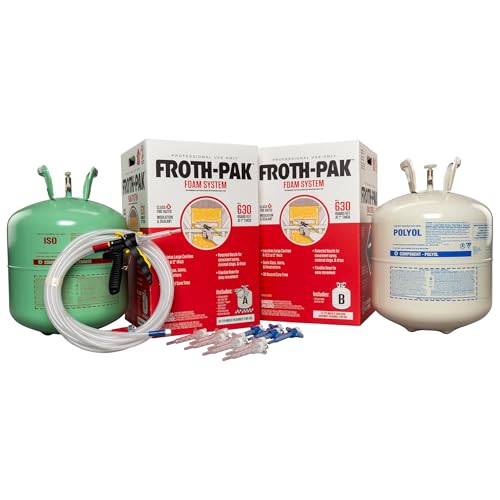
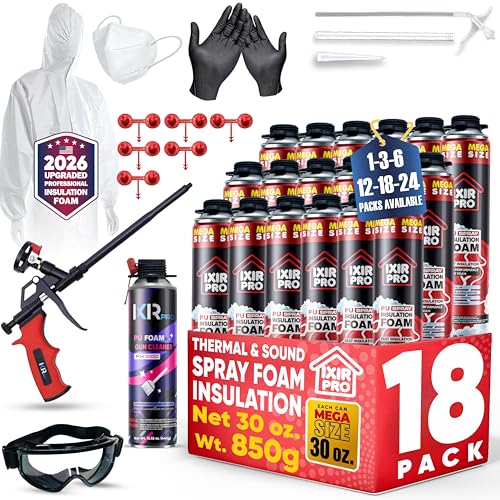
Spray Foam Sealant Gaps And Cracks


Tyvek Suit Insulation Installation

YIBER Hazmat suit, Disposable coveralls for Painting, Ideal Halloween Cosplay Hazmat Costume, White, Large, 1
$6.99
Check price on Amazon

Andes Safety Hazmat Suit, Disposable Paint Suit, Lab Coverall Size Large
$9.99
Check price on Amazon

FURWEY Hazmat Suits Disposable Protective Coveralls, Large, 10 Pack
$41.99
Check price on Amazon
As an Amazon Associate I earn from qualifying purchases. Product links on this page may earn us a commission at no extra cost to you.
Prices as of Oct 11, 2026, 4:41 AM UTC. Product prices and availability are accurate as of the date/time indicated and are subject to change. Any price and availability information displayed on Amazon.com at the time of purchase will apply to the purchase of this product.
How this calculator works
- Board feet = area × thickness in inches × (1 + waste %)
- R-value = R-per-inch × thickness
- Kits = board feet ÷ kit rating, rounded up
Keep going
- Checking a quote? spray foam insulation cost per square foot by thickness
- Sealing small cracks instead of foaming? caulk calculator
Frequently asked questions
Open-cell or closed-cell spray foam?
Closed-cell gives about R-6.5 per inch, adds structural rigidity and blocks vapor — best for rim joists, crawlspaces and thin cavities. Open-cell is about R-3.7 per inch, much cheaper, and fine for interior walls and attics with room to spare.
Are DIY spray foam kits worth it?
For under about 600 board feet, yes. Past that, contractor pricing per board foot usually beats kit pricing and you get proper ratio control and cleanup.
What is a board foot of spray foam?
One square foot at one inch thick. A job needing 1,000 sq ft covered at 2 inches is 2,000 board feet. Contractors quote in board feet and kits are sold by board feet, so it is the unit to get quotes on — giving a contractor your floor area instead invites quotes that are not comparable.
Open-cell or closed-cell spray foam?
Closed-cell has a much higher R per inch, adds structural rigidity and is its own vapour retarder, which makes it the choice where depth is limited or moisture must be controlled. Open-cell is cheaper per board foot, expands far more so it fills irregular cavities well, and stays vapour-open, which some assemblies need in order to dry.
Can I spray foam myself?
Small two-part kits exist and work for rim joists, gaps and modest areas. Whole-house work is a different matter: it needs the right substrate temperature, correct mix ratio and proper respiratory protection, and foam that goes off wrong does not come off the framing easily. The failure mode for DIY foam is expensive and permanent, which is why most whole-house jobs are contracted.
Related calculators
Free app
Run this calculator on your phone
Offline-ready, saves your results, no signup.
Board feet required
1,980 bd ft