Rigid Foam Board Calculator
Ver en españolFoam board is sold by the sheet, usually 4×8. Enter the area you're covering and this returns sheets, layers, R-value and cost for each foam type.
Your project
Covers cuts, compression and odd bays. 10% is the usual default.
Your results
- Coverage to buy
- 880 sq ft
- Sheets required
- 28 sheets
- 32 sq ft per sheet
- R-value per layer
- R-12
- Seam tape needed
- 336 ft
- Material cost
- $845
- Cost per sq ft
- $0.96
Estimates use typical US material and labor pricing. Confirm quantities against the coverage chart on the bag before you buy.
Save this calculation in the free app
Smart Insulation Calculator keeps your insulation jobs on your phone, offline. On iPhone? It's inside Roofing Calculator & Estimator.
Gear for this job
Rigid Foam Board Insulation

BULLET TOOLS 7 1/4 Inch Circular Rigid Foam Blade, Foam Saw Blade
$70.48
Check price on Amazon

Pangda 6 Pack Foam Board Insulation Waterproof Shower Wall Panels 48" x 32" x 1/2" Rigid Xps Foam Insulation Board with Fiberglass Mesh for Tile Backer Bathroom Wall & Floor
$209.99
Check price on Amazon

Ardex TLT 119 Waterproof Cementitious XPS Foam Board 32"x48"x1/2", 5pc
$170.21
Check price on Amazon
Foam Board Insulation Panels 2 Inch

Loctite Power Grab Express Heavy Duty Construction Adhesive, 9 fl oz Cartridge, 1 Pack - Versatile Constuction Glue for Wood, Wall, Tile, Foam Board & More
$6.48
Check price on Amazon

Liquid Nails 10 oz Heavy Duty Construction Adhesive
$3.48
Check price on Amazon
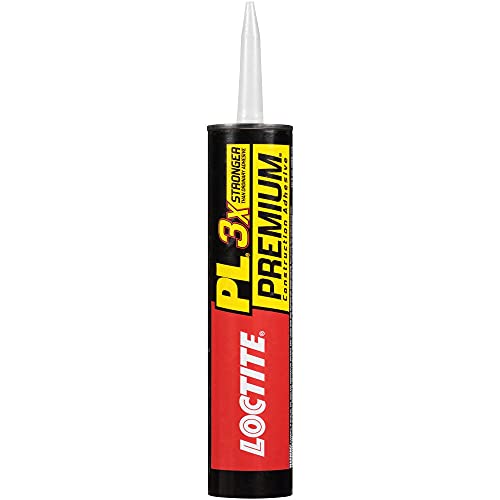
Loctite PL Premium Polyurethane Construction Adhesive, 10 fl oz Cartridge, 1 Pack - Versatile Construction Glue for Wood, Concrete, Stone, Metal & More
$6.48
Check price on Amazon


As an Amazon Associate I earn from qualifying purchases. Product links on this page may earn us a commission at no extra cost to you.
Prices as of Oct 11, 2026, 4:41 AM UTC. Product prices and availability are accurate as of the date/time indicated and are subject to change. Any price and availability information displayed on Amazon.com at the time of purchase will apply to the purchase of this product.
How this calculator works
- Coverage = area × (1 + waste %)
- Sheets = coverage ÷ (sheet width × sheet length), rounded up
- R per layer = R-per-inch × board thickness
Keep going
- On concrete walls: basement insulation calculator (R-10 foam sheets and cost)
- Around the top of the foundation: rim joist foam cut sizes
- What the foam adds to the wall: effective R-value with exterior foam
- R per inch by thickness and use: polyiso R-value calculator
Frequently asked questions
EPS, XPS or polyiso — which foam board is best?
Polyiso gives the most R per inch (about R-6) and suits above-grade walls and roofs. XPS (R-5) handles moisture best and is the usual pick below grade. EPS (R-3.9) is cheapest and fine under slabs.
Do foam board seams need taping?
Yes if the foam doubles as your air barrier. Tape every seam and seal the edges with canned foam — untaped board can lose most of its air-sealing benefit.
EPS, XPS or polyiso — which board should I use?
Polyiso has the highest R per inch and suits interior applications and above-deck roofing. XPS sits in the middle and handles moisture and ground contact well. EPS is the cheapest per R and is the usual choice below grade and under slabs. Depth available, moisture exposure and budget decide it more than the R rating alone.
Do foam board seams need taping?
If the board is doing any air-sealing work, yes, and that is usually the point of installing it. Untaped seams leave a continuous air path straight through the layer, which undoes much of the benefit of going continuous in the first place. Use tape rated for the board rather than general-purpose tape.
Does foam board need a fire barrier?
Inside a building, almost always. Rigid foam is combustible and codes generally require it to be covered by a thermal barrier — half-inch drywall is the common answer. This applies in basements and garages, which is exactly where people are most tempted to leave it exposed. Check your local requirement before finishing.
Related calculators
Free app
Run this calculator on your phone
Offline-ready, saves your results, no signup.
Coverage to buy
880 sq ft