Pipe Insulation Calculator
Foam pipe sleeves come in fixed lengths sized to the pipe's outside diameter. Enter your run and this counts sleeves, fittings and cost.
Your project
Covers cuts, compression and odd bays. 10% is the usual default.
Your results
- Sleeve length to buy
- 66 ft
- 6 ft sleeves required
- 11 pieces
- Extra for fittings
- 9 ft
- About 9 in per elbow or tee
- R-value
- R-3
- Tape / zip ties
- 23 pieces
- Material cost
- $74
Estimates use typical US material and labor pricing. Confirm quantities against the coverage chart on the bag before you buy.
Save this calculation in the free app
Smart Insulation Calculator keeps your insulation jobs on your phone, offline. On iPhone? It's inside Roofing Calculator & Estimator.
Gear for this job
Pipe Insulation Foam

Duck Brand Foam Pipe Covers, 0.75 in x 1 Ft, 6 Sticks Per Pack, Black
$10.87
Check price on Amazon

CARGEN 3/4" ID Foam Pipe Insulation for 3/4" OD HVAC AC Refrigerant Lines
$9.69
Check price on Amazon

2Pack Outdoor Faucet Covers for Winter - Pro 6.7" W x 8.3" H Outdoor Water Faucet Cover Socks for Winter Freeze Protection Pipe Insulation Reusable Waterproof Insulated Spigot backflow Cover,Black
$5.99
Check price on Amazon
Foil Tape Hvac Insulation

Aluminum Foil Duct Tape Heavy Duty Waterproof, Premium Silver Metal HVAC Heat Tapes (2"*65Feet,3.9mil), High Temperature, Dryer Vent Insulation Tape for Ductwork, Ducting, Sealing, Patching, Furnace
$6.99
Check price on Amazon

Romeda Aluminum Foil Tape, 2 inch x 65 Feet Foil Tape (3.9 mil), Silver Insulation Adhesive Metal Tape, High Temperature Heavy Duty HVAC Tapes for Ductwork, Dryer Vent, HVAC
$6.29
Check price on Amazon

BOMEI PACK Aluminum Foil Tape,Heavy Duty Metal Foil Tape,High Temperature Silver Duct Tape,Perfect for Sealing & Patching,HVAC,Air Ducts,Insulation and Metal Repair (3 Inch)
$15.88
Check price on Amazon
Water Heater Insulation Blanket

76"x48" Water Heater Insulation Blanket for 40-80 Gallon Pre-Oxidized Fiber
$39.99
Check price on Amazon

AES Industries Water Heater Blanket Jacket Insulation Non Fiberglass Fits 40 50 60 and 80 Gallon Tank R8
$33.88
Check price on Amazon
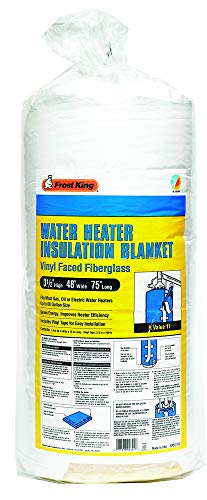
Frost King SP57/11C All Season Water Heater Insulation Blanket, 3” Thick x 48” x 75”, R10
$34.74
Check price on Amazon
As an Amazon Associate I earn from qualifying purchases. Product links on this page may earn us a commission at no extra cost to you.
Prices as of Oct 11, 2026, 4:41 AM UTC. Product prices and availability are accurate as of the date/time indicated and are subject to change. Any price and availability information displayed on Amazon.com at the time of purchase will apply to the purchase of this product.
How this calculator works
- Sleeve length = pipe run × (1 + waste %)
- Sleeves = length ÷ 6 ft per piece
- Fitting allowance = elbows and tees × 0.75 ft
Keep going
- Same basement, bigger loss: duct insulation wrap calculator
Frequently asked questions
Which pipes should I insulate first?
Hot water lines from the heater out (fastest payback), then any pipe running through an unheated crawlspace, garage or attic where freezing is possible.
Does pipe insulation stop pipes freezing?
It slows freezing dramatically but won't prevent it in a sustained deep freeze with no water movement. In very cold spots pair sleeves with heat tape.
Which pipes should I insulate?
Hot water lines first, especially the first few metres out of the heater, because that is where standby loss is greatest and where insulation pays back fastest. Cold lines in humid unconditioned space are worth doing for a different reason: they sweat, and the condensation drips onto whatever is below.
Will pipe insulation stop pipes freezing?
It slows freezing; it does not prevent it. Insulation reduces the rate at which a pipe loses heat, so a pipe with no flow and no heat source in sustained sub-freezing conditions will still freeze eventually. Where freezing is a genuine risk, heat trace cable under the insulation is the measure that actually prevents it.
What thickness of pipe insulation do I need?
It varies with pipe diameter and the temperature difference, and codes give minimums for hot water lines by pipe size. Thicker is not always better in tight spaces — sleeves that cannot close properly around a pipe leave a gap along their length, and a poorly closed thick sleeve underperforms a well-fitted thin one.
Related calculators
Free app
Run this calculator on your phone
Offline-ready, saves your results, no signup.
Sleeve length to buy
66 ft