Spray Foam vs Fiberglass Cost Calculator
Spray foam costs several times more than fiberglass for the same cavity, and people want to know whether it earns that back. Enter the area, the cavity depth and your climate, and this compares installed cost, R-value and the yearly heating cost of the heat that conducts through each option.
Your project
Natural gas; for electric resistance heat use about $5 per therm-equivalent (0.17 $/kWh).
Your results
- Fiberglass batts, installed
- $875 – $1,400
- R-11 · heat through it ≈ $200/yr
- Open-cell spray foam, installed
- $1,400 – $2,625
- R-13 · ≈ $173/yr · payback 32 years on heating alone
- Closed-cell spray foam, installed
- $3,000 – $6,000
- R-20 · ≈ $115/yr · payback 39 years on heating alone
- Extra cost of open-cell over batts
- $875
- Extra cost of closed-cell over batts
- $3,363
- Heating degree days used
- 5,800 (zone 5)
Estimates use typical US material and labor pricing. Confirm quantities against the coverage chart on the bag before you buy.
Gear for this job
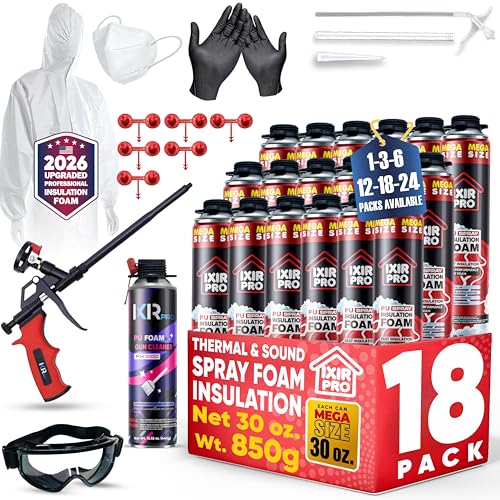
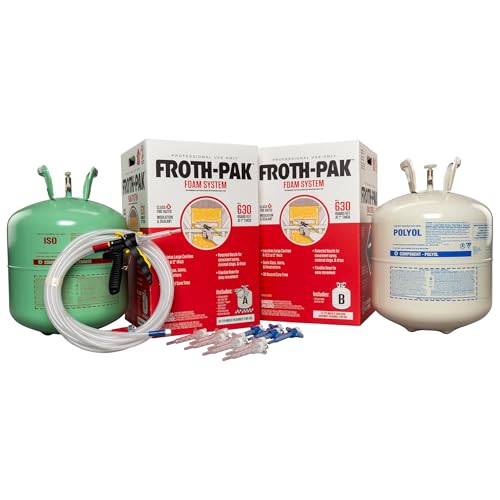
Spray Foam Insulation Kit

Fiberglass Batt Insulation R19

Owens Corning R-19 Unfaced Fiberglass Insulation 77.5 Sq.ft (15 in x 93 in) 1 Batt
$69.99
Check price on Amazon

R21 Unfaced Fiberglass Insulation (5.5" x 15" x 93" batts) - 77.5sf 8pcs
$79.99
Check price on Amazon

Owens Corning R-13 Pink Kraft Faced Fiberglass Insulation Roll 15 in. x 32 ft. (3)
$174.79
Check price on Amazon
Thermal Imaging Camera Home Inspection

TOPDON TC004 Mini Thermal Imaging Camera, 240 x 240 TISR Resolution
$159.00
Check price on Amazon

AccuMEMS GT14S Thermal Imaging Camera, Thermometer Mode, Ultra-Light 240g
$89.99
Check price on Amazon
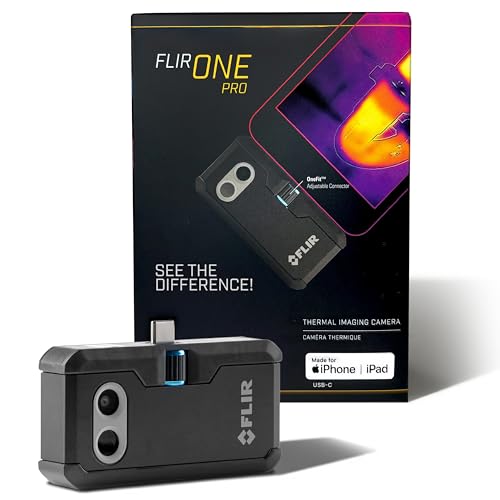
Flir One Pro - Thermal Imaging Camera for iOS Smartphones (iPhone 15 and Newer w/USB-C), 480x360 Super Resolution (160x120 Native IR)
$349.00
Check price on Amazon
As an Amazon Associate I earn from qualifying purchases. Product links on this page may earn us a commission at no extra cost to you.
Prices as of Oct 1, 2026, 4:38 AM UTC. Product prices and availability are accurate as of the date/time indicated and are subject to change. Any price and availability information displayed on Amazon.com at the time of purchase will apply to the purchase of this product.
How this calculator works
- Batts installed = area × depth × $0.25–$0.40 per sq ft-inch
- Open-cell = area × depth × $0.40–$0.75 per board foot
- Closed-cell = area × min(depth, 3 in) × $1.00–$2.00 per board foot
- Yearly loss = area × HDD × 24 ÷ R ÷ 100,000 ÷ efficiency × $/therm
- Payback = extra cost over batts ÷ yearly saving (conduction only)
Installed cost for 1,000 sq ft by cavity depth
| Cavity | Fiberglass batts | Open-cell foam | Closed-cell foam |
|---|---|---|---|
| 3.5 in | $875 – $1,400 (R-11) | $1,400 – $2,625 (R-13) | $3,000 – $6,000 (R-20) |
| 5.5 in | $1,375 – $2,200 (R-18) | $2,200 – $4,125 (R-20) | $3,000 – $6,000 (R-20) |
| 7.25 in | $1,813 – $2,900 (R-23) | $2,900 – $5,438 (R-27) | $3,000 – $6,000 (R-20) |
| 9.25 in | $2,313 – $3,700 (R-30) | $3,700 – $6,938 (R-34) | $3,000 – $6,000 (R-20) |
Closed-cell is priced at up to 3 in, the usual sprayed depth. Computed with this calculator.
Why the payback looks long — and when foam still wins
Measured by R-value alone, fiberglass batts are hard to beat: a 2×4 wall filled with batts is about R-11 to R-13 for a fraction of the price of foam, and open-cell foam in the same cavity is about the same R-value. So the conduction-only payback this calculator shows for foam over batts is often decades. That is honest, but it leaves out the reason people choose foam: air sealing.
Batts do nothing to stop air moving through gaps, and a leaky wall or roof can lose as much heat to air leakage as to conduction. Spray foam seals as it goes. If you would otherwise air-seal carefully and install batts well, the gap narrows; if you would not, foam's real-world advantage is larger than the conduction figures here.
Where each one makes sense
Fiberglass or mineral wool batts: open stud walls, floors over crawlspaces, anywhere budget matters and you will air-seal separately. Open-cell foam: cathedral ceilings and unvented roof decks where it fills the full rafter depth and seals at the same time. Closed-cell foam: rim joists, basement walls, metal buildings and anywhere you need a vapor retarder or the highest R per inch in a shallow space.
Installed prices used here are the 2026 ranges published by consumer cost guides: about $0.40–$0.75 per board foot for open-cell and $1.00–$2.00 for closed-cell, with batts at $0.25–$0.40 per square foot per inch of cavity installed. Heating degree days by zone are this site's climate-zone table.
Frequently asked questions
Is spray foam worth it over fiberglass?
On conduction alone, rarely — the extra cost takes a long time to recover. It earns its price where air sealing, moisture control or R-value in a shallow cavity matter: rim joists, cathedral ceilings, basement walls and metal buildings.
How much more does spray foam cost than fiberglass?
For a 2×4 wall, open-cell foam runs about 1.5–2 times the price of installed batts, and closed-cell about 3–5 times, in this calculator. The gap widens in deeper cavities for open-cell because it is priced per board foot.
Which has the higher R-value?
Per inch, closed-cell foam (about R-6.5) beats fiberglass batts (about R-3.2) and open-cell foam (about R-3.7). In a full 2×4 cavity, batts and open-cell end up close; closed-cell reaches the highest R in the least depth.
Can I combine them?
Yes — a 1–2 inch layer of closed-cell foam to air-seal and control condensation, with batts or blown insulation filling the rest (often called flash-and-batt), gets most of the benefit for much less than a full foam job.
Related calculators
Free app
Run this calculator on your phone
Offline-ready, saves your results, no signup.
Fiberglass batts, installed
$875 – $1,400