Attic Insulation Calculator
Enter your attic footprint and what's already up there. This works out the extra depth needed to reach your target R-value, how many bags or batts that takes, and what it should cost.
Your project
Old blown fiberglass ≈ 2.5, cellulose ≈ 3.2, old batts ≈ 3.0
Covers cuts, compression and odd bays. 10% is the usual default.
Your results
- Target R-value
- R-60
- Climate zone 5
- Existing R-value
- R-10
- Additional depth to add
- 20 in
- Bags required
- 34 bags
- 39 sq ft per bag at this depth
- Estimated material cost
- $1,428
- Installed cost (pro)
- $2,448
- Material plus typical contractor labor
Estimates use typical US material and labor pricing. Confirm quantities against the coverage chart on the bag before you buy.
Save this calculation in the free app
Smart Insulation Calculator keeps your insulation jobs on your phone, offline. On iPhone? It's inside Roofing Calculator & Estimator.
Gear for this job
Blown In Cellulose Insulation

Aimee’s Workshop Attic Anchor - Insulation Ruler Depth Markers for Blown-in Insulation 30 Pack, 24 Inch Heavy Cardstock
$29.98
Check price on Amazon

Attic Measuring Rulers - Attic Insulation R-Value Ruler,Thick Card Stock,25 inches,for Ceiling Insulators Insulation (100 per Pack)
$42.99
Check price on Amazon

Attic Insulation R-Value Ruler - Attic Measuring Rulers, 25 Inch Colorful Card Stock Attic Depth Ruler for Home,(100 per Pack (100)
$42.99
Check price on Amazon
Attic Ventilation Baffles

SmartBaffle 24 Insulation Baffle - Durable Polyethylene Attic Baffles for 24" On-Center Rafter Bays with 2" Air Channel - Rafter Vents Improve Roof Ventilation & Prevent Insulation Blockage- 30 pieces
$172.50
Check price on Amazon
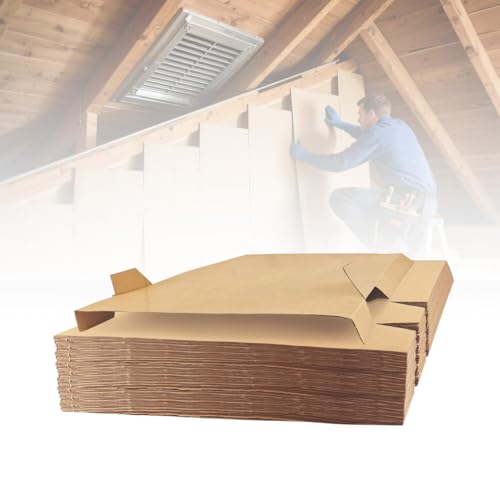
Sunmuliiiy Cardboard Attic Baffles 25"x24" 75 Pcs Corrugated Cardboard- Bundle Attic Insulation Baffle Rafter Vents Improve Roof Ventilation and Prevent Insulation Blockage
$84.99
Check price on Amazon
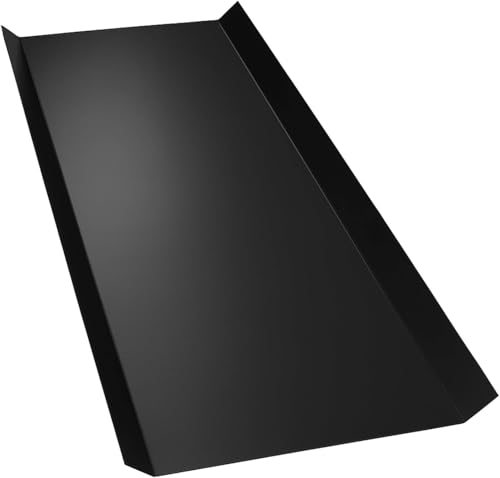
SmartBaffle 16 Attic Insulation Baffle - Polyethylene Attic Baffles for 14.5" Rafter Bays with 2" Air Channel - Rafter Vents Improve Roof Ventilation and Prevent Insulation Blockage - Black- 36 pieces
$153.00
Check price on Amazon


As an Amazon Associate I earn from qualifying purchases. Product links on this page may earn us a commission at no extra cost to you.
Prices as of Oct 11, 2026, 4:41 AM UTC. Product prices and availability are accurate as of the date/time indicated and are subject to change. Any price and availability information displayed on Amazon.com at the time of purchase will apply to the purchase of this product.
Add this calculator to your site
Free for any website or blog: no signup, no ads inside the widget, works on phones. Paste this code where you want it to appear.
How this calculator works
- Existing R = existing depth × R-per-inch of what's up there
- R needed = target R − existing R
- Depth to add = R needed ÷ R-per-inch of new material
- Bags = (R needed × area) ÷ bag coverage rating, then add waste
Keep going
- Ducts in the attic: duct insulation calculator (R-8 wrap)
- Doing it yourself? how to blow in attic insulation
- How deep to blow it: insulation thickness calculator
- Don't forget the access: attic hatch insulation calculator
- Laying batts in the attic: R-30 insulation calculator
- Or the thicker batt: R-38 insulation calculator
- Hot upstairs rooms? Check the AC size too: BTU calculator
- Rolling out unfaced rolls across the joists? roll insulation calculator
- Venting the attic for a whole house fan: whole house fan calculator
- Before heating season: attic insulation payback by climate zone
- Leaky hatch? best attic hatch and stair covers
Frequently asked questions
Can I add new insulation over old insulation?
Yes, as long as the old material is dry and not mouldy. Never lay faced (paper or foil backed) batts over existing insulation — the facing traps moisture. Use unfaced batts or blown-in.
How many inches is R-49?
About 19–20 inches of blown fiberglass (at R-2.5 per inch), about 14 inches of cellulose, or 13 inches of high-density batts. Loose-fill bags list a coverage chart on the side — follow it.
Can I add new insulation on top of old?
Usually yes, and it is the cheapest upgrade available. Blown-in or unfaced batts go straight over existing material. The one thing not to do is lay faced batts on top of existing insulation with the facing down, because that puts a vapour retarder in the middle of the assembly where moisture can collect against it. Use unfaced material when topping up.
How deep should attic insulation be?
Divide your target R-value by the material's R per inch. At R-49 that is roughly 13.5–14 inches of cellulose or about 19.5 inches of blown fibreglass — the difference is why the same target produces very different depths. Mark the depth on a rafter before you start so you can see when you have reached it.
Should I cover the attic hatch and recessed lights?
The hatch yes, with a rigid box or a purpose-made cover, because an uninsulated hatch is a large hole in the middle of the ceiling. Recessed lights need care: only IC-rated fixtures may be covered, and anything not rated for contact needs a clearance kept around it. Burying a non-IC fixture is a genuine fire risk, not a code technicality.
Related calculators
Free app
Run this calculator on your phone
Offline-ready, saves your results, no signup.
Additional depth to add
20 in