Buying Guides
Best Attic Hatch and Attic Stair Insulation Covers
An uninsulated attic hatch or pull-down stair is a hole in an otherwise well-insulated ceiling: warm air leaks around it and heat conducts straight through the thin panel. A cover or a stack of foam board plus weatherstrip closes both paths. As an Amazon Associate we earn from qualifying purchases; this guide is written from product specifications and the 2021 IECC, not hands-on testing.
Updated October 2026 · about 7 min read
Popular picks on Amazon
Attic Ladder Insulation

LEMOONE Attic Door Insulation Cover 25"x54"x11", Energy Saving Tent Attic Stairs Cover Ladder Pull Down Insulator, R-Value 15.5 Thicken Aluminum Foil Stairway Insulation with Zipper Fireproof
$29.99
Check price on Amazon

Premium Energy Saving Attic Door Insulation Stairway Cover Stair Ladder Opening Attic Tent with Easy Access Zipper 25" × 54" × 11"
$46.99
Check price on Amazon

Energy Saving Attic Stairs Insulation Cover 54x25x11 Extra Thick Full Kit
$44.99
Check price on Amazon
Attic Access Door Insulation Cover
LEMOONE Attic Door Insulation Cover 25"x54"x11", Energy Saving Tent Attic Stairs Cover Ladder Pull Down Insulator, R-Value 15.5 Thicken Aluminum Foil Stairway Insulation with Zipper Fireproof
$29.99
Check price on Amazon

Energy Saving Attic Stairs Insulation Cover 54x25x11 Extra Thick
$49.99
Check price on Amazon
Premium Energy Saving Attic Door Insulation Stairway Cover Stair Ladder Opening Attic Tent with Easy Access Zipper 25" × 54" × 11"
$46.99
Check price on Amazon
As an Amazon Associate I earn from qualifying purchases. Product links on this page may earn us a commission at no extra cost to you.
Prices as of Oct 3, 2026, 4:39 AM UTC. Product prices and availability are accurate as of the date/time indicated and are subject to change. Any price and availability information displayed on Amazon.com at the time of purchase will apply to the purchase of this product.
The types compared
Pull-down attic stairs and flat scuttle hatches need different solutions. A stair folds up into the opening, so it needs a cover that sits over it in the attic; a scuttle hatch is a loose panel that can take foam board glued straight to its top.
| Type | Best for | Check before buying | Pros | Cons |
|---|---|---|---|---|
| Attic stair tent (zip or lift-off cover) | Pull-down attic stairs | Rough opening size and the R-value stated | Covers the whole stair from above; zip models open from below | Modest R-value on its own; needs a seal at the base |
| Insulated attic stair lid or box | Pull-down stairs where you want a higher R-value | Height clearance above the folded stair | Higher R-value than a tent; rigid | Bulkier; some must be lifted from inside the attic |
| Rigid foam board on the hatch | Scuttle hatches (flat panels) | R per inch of the board (polyiso is highest) | Cheapest way to reach the attic's R-value | Adds weight; layers must be glued and cut |
| Weatherstrip around the opening | Every hatch and stair | Thickness to suit the gap and closed-cell foam or compression seal | Stops the air leak, the bigger loss | Must be compressed by the hatch weight or a latch |
| Insulation dam | Openings surrounded by blown insulation | Height at least the depth of the loose fill | Keeps loose fill from falling through | Must be built or bought to size |
What an R-60 attic hatch needs
Climate zones 4 to 8 call for R-60 in the attic under the 2021 IECC. For a 22 × 30 in scuttle hatch with 2 in polyiso (about R-5.7 per inch), the attic hatch insulation calculator gives 6 layers of board (12 in, R-68.4), cut from 1 4 × 8 sheet; 8.7 ft of weatherstrip around the opening; and a dam 24 in tall where blown fiberglass surrounds it.
Pull-down stairs are harder to bring to the attic's R-value, which is why a sealed cover over the folded stair matters: most of the gain is from stopping the air leak around the stair frame.
Gear for this job
LEMOONE Attic Door Insulation Cover 25"x54"x11", Energy Saving Tent Attic Stairs Cover Ladder Pull Down Insulator, R-Value 15.5 Thicken Aluminum Foil Stairway Insulation with Zipper Fireproof
$29.99
Check price on Amazon
Energy Saving Attic Stairs Insulation Cover 54x25x11 Extra Thick
$49.99
Check price on Amazon
Premium Energy Saving Attic Door Insulation Stairway Cover Stair Ladder Opening Attic Tent with Easy Access Zipper 25" × 54" × 11"
$46.99
Check price on Amazon

Eapele Attic Stairs Insulation Cover Tent Premium Energy Saving, 25”x54”x11” for Pull Down Stairs, Double Bubble Reflective Radiant Barrier Reflects 95% of Radiant Heat
$29.99
Check price on Amazon
As an Amazon Associate I earn from qualifying purchases. Product links on this page may earn us a commission at no extra cost to you.
Prices as of Oct 3, 2026, 4:39 AM UTC. Product prices and availability are accurate as of the date/time indicated and are subject to change. Any price and availability information displayed on Amazon.com at the time of purchase will apply to the purchase of this product.
As an Amazon Associate I earn from qualifying purchases. Product links on this page may earn us a commission at no extra cost to you.
Installing it
Topping up the rest of the attic at the same time? The attic insulation calculator works out bags and depth.
- Seal first: weatherstrip the stop the hatch or stair rests on, and caulk the gap between the frame and the ceiling drywall
- Glue foam layers to the hatch with foam-safe adhesive, staggering them so the hatch still drops into its opening
- Fit a latch or hook-and-eye so the hatch compresses its weatherstrip
- Build or fit a dam around the opening before blowing new insulation, taller than the finished depth
- Check that the stair cover clears the folded stair and can be opened from the side you will use
Run the numbers
Frequently asked questions
- How do I insulate a pull-down attic stair?
- Weatherstrip the frame the stair closes against, then fit an attic stair tent or insulated lid over the opening from the attic side. A cover that is not sealed at its base still leaks air.
- How much insulation should go on an attic hatch?
- Ideally the same R-value as the attic: R-60 in climate zones 4–8 under the 2021 IECC. With 2 in polyiso board that is 6 layers on a 22 × 30 in hatch; the attic hatch calculator works it out for your board and zone.
- Are attic stair covers worth it?
- Yes, mostly because they stop air leaking through the gaps around the stair. They are inexpensive and take minutes to fit.
- What is an attic insulation dam?
- A box or wall around the hatch opening, taller than the loose-fill insulation, so the insulation does not fall into the house when the hatch is opened.
Insulation gear worth owning
The tools and materials that show up on almost every insulation job.
LEMOONE Attic Door Insulation Cover 25"x54"x11", Energy Saving Tent Attic Stairs Cover Ladder Pull Down Insulator, R-Value 15.5 Thicken Aluminum Foil Stairway Insulation with Zipper Fireproof
$29.99
Check price on Amazon
LEMOONE Attic Door Insulation Cover 25"x54"x11", Energy Saving Tent Attic Stairs Cover Ladder Pull Down Insulator, R-Value 15.5 Thicken Aluminum Foil Stairway Insulation with Zipper Fireproof
$29.99
Check price on Amazon
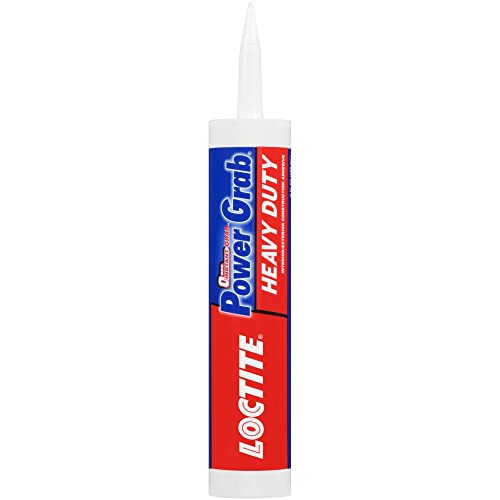
Loctite Power Grab Express Heavy Duty Construction Adhesive, 9 fl oz Cartridge, 1 Pack - Versatile Constuction Glue for Wood, Wall, Tile, Foam Board & More
$6.48
Check price on Amazon
As an Amazon Associate I earn from qualifying purchases. Product links on this page may earn us a commission at no extra cost to you.
Prices as of Oct 3, 2026, 4:39 AM UTC. Product prices and availability are accurate as of the date/time indicated and are subject to change. Any price and availability information displayed on Amazon.com at the time of purchase will apply to the purchase of this product.