R-Value Calculator
R-value measures resistance to heat flow — higher is better. Pick your material and thickness to see the R-value you get, then compare it against the recommended level for your climate zone.
Your project
Your results
- R-value achieved
- R-15
- Blown-in fiberglass at R-2.5/inch
- Recommended for your zone
- R-60
- Shortfall
- R-45 short
- Extra thickness needed
- 18 in more
- U-value
- 0.0667
- U = 1 ÷ R
Estimates use typical US material and labor pricing. Confirm quantities against the coverage chart on the bag before you buy.
Save this calculation in the free app
Smart Insulation Calculator keeps your insulation jobs on your phone, offline. On iPhone? It's inside Roofing Calculator & Estimator.
Gear for this job
Fiberglass Batt Insulation R19

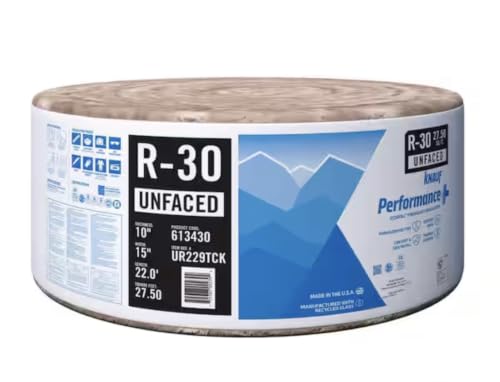

Rigid Foam Board Insulation

BULLET TOOLS 7 1/4 Inch Circular Rigid Foam Blade, Foam Saw Blade
$70.48
Check price on Amazon

Pangda 6 Pack Foam Board Insulation Waterproof Shower Wall Panels 48" x 32" x 1/2" Rigid Xps Foam Insulation Board with Fiberglass Mesh for Tile Backer Bathroom Wall & Floor
$209.99
Check price on Amazon

Ardex TLT 119 Waterproof Cementitious XPS Foam Board 32"x48"x1/2", 5pc
$170.21
Check price on Amazon
Thermal Leak Detector Infrared
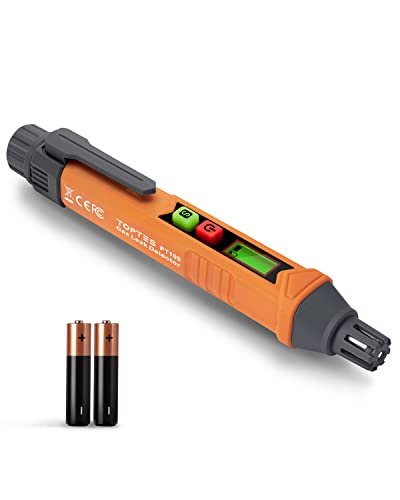
PT199 Natural Gas Leak Detector with Audible & Visual Alarm, Portable Gas Sniffer to Locate Combustible Sources Like Methane, Propane for Home(Includes Battery x2)-Orange
$22.99
Check price on Amazon
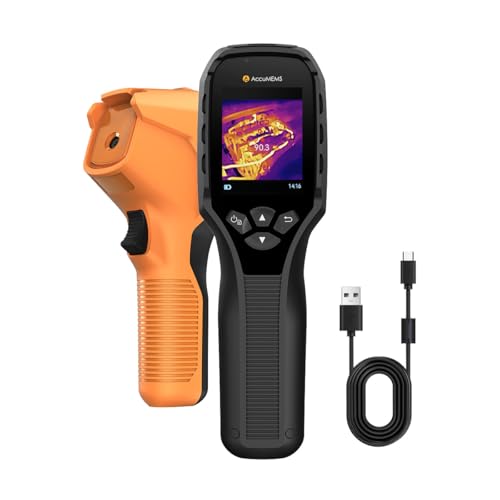
GT14S Thermal Imaging Camera with Edge Enhancement, Thermometer Mode
$89.99
Check price on Amazon

Flagfront Thermal Camera, 240 x 240 TISR Resolution for Home Inspection
$89.99
Check price on Amazon
As an Amazon Associate I earn from qualifying purchases. Product links on this page may earn us a commission at no extra cost to you.
Prices as of Oct 11, 2026, 4:41 AM UTC. Product prices and availability are accurate as of the date/time indicated and are subject to change. Any price and availability information displayed on Amazon.com at the time of purchase will apply to the purchase of this product.
How this calculator works
- R-value = R-per-inch × installed thickness
- Shortfall = recommended R − achieved R
- Extra inches = shortfall ÷ R-per-inch
- U-value = 1 ÷ R-value
Keep going
- Studs included: whole-wall effective R-value calculator
- Inches for a target R: insulation thickness calculator
- Batt R-values by name: R-13 insulation calculator
- Attic batts: R-30 insulation calculator
Frequently asked questions
What R-value do I need in my attic?
Most of the US lands between R-49 and R-60 for attics. Warm southern zones can stop at R-30 to R-49; anything from the Midwest north should target R-60.
Does doubling the thickness double the R-value?
For batts and boards, essentially yes. Loose-fill settles, so blown products lose a little R over time — buy to the coverage chart depth, not the bare minimum.
Do R-values simply add up?
In series through an assembly, yes — a layer of R-13 behind a layer of R-5 gives R-18 through that path. What does not add up is the whole wall, because studs run straight through the insulation and conduct around it. A wall with R-13 batts between wood studs performs closer to R-11 overall once the framing is accounted for.
What is the difference between R-value and U-value?
They are reciprocals of each other. R-value measures resistance to heat flow, so higher is better; U-value measures the rate of heat flow, so lower is better. U equals 1 divided by R. Windows and doors are normally specified in U, and insulation in R, which is why comparing the two directly needs a conversion.
Does R-value change with temperature?
Yes, and for some materials noticeably. Polyiso loses R-value as it gets very cold, which matters in a cold-climate roof where its rated performance is measured at a warmer mean temperature than it will actually see. Fibreglass and cellulose are comparatively stable. This is one reason published R per inch should be treated as a comparison figure rather than a guarantee.
Related calculators
Free app
Run this calculator on your phone
Offline-ready, saves your results, no signup.
R-value achieved
R-15