BTU Calculator: Air Conditioner Size by Room
Enter the room and how it is used. The calculator looks the area up in ENERGY STAR's room air conditioner sizing chart, applies its adjustments for sun, extra people and kitchens, and gives the BTU per hour to shop for — and the same figure in tons.
Your project
Odd-shaped room? Enter its square feet; it replaces length × width.
Your results
- Air conditioner size
- 7,000 BTU/hr
- In tons
- 0.58 tons
- 1 ton = 12,000 BTU/hr
- Room area
- 300 sq ft
- Chart capacity for this area
- 7,000 BTU/hr
Estimates use typical US material and labor pricing. Confirm quantities against the coverage chart on the bag before you buy.
Gear for this job
Thermal Leak Detector Infrared
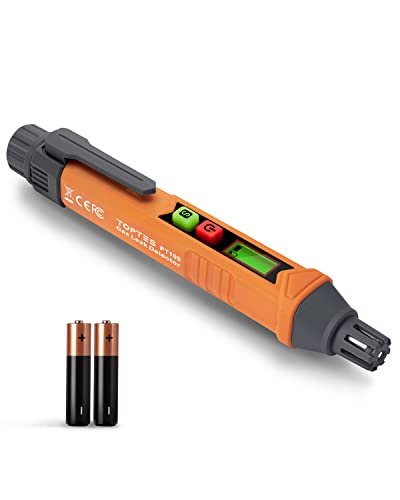
PT199 Natural Gas Leak Detector with Audible & Visual Alarm, Portable Gas Sniffer to Locate Combustible Sources Like Methane, Propane for Home(Includes Battery x2)-Orange
$22.99
Check price on Amazon
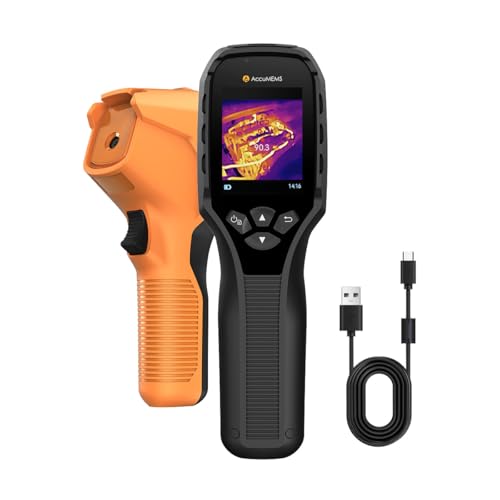
GT14S Thermal Imaging Camera with Edge Enhancement, Thermometer Mode
$89.99
Check price on Amazon

Flagfront Thermal Camera, 240 x 240 TISR Resolution for Home Inspection
$99.99
Check price on Amazon
As an Amazon Associate I earn from qualifying purchases. Product links on this page may earn us a commission at no extra cost to you.
Prices as of Oct 1, 2026, 4:38 AM UTC. Product prices and availability are accurate as of the date/time indicated and are subject to change. Any price and availability information displayed on Amazon.com at the time of purchase will apply to the purchase of this product.
How this calculator works
- Base capacity = ENERGY STAR chart value for the room's square feet
- Very sunny room: + 10% · heavily shaded room: − 10%
- + 600 BTU/hr for each regular occupant beyond two
- + 4,000 BTU/hr if the unit cools a kitchen
- Tons = BTU/hr ÷ 12,000
ENERGY STAR room air conditioner sizing chart
| Room area | Capacity | Tons |
|---|---|---|
| 100–150 sq ft | 5,000 BTU/hr | 0.42 |
| 150–250 sq ft | 6,000 BTU/hr | 0.5 |
| 250–300 sq ft | 7,000 BTU/hr | 0.58 |
| 300–350 sq ft | 8,000 BTU/hr | 0.67 |
| 350–400 sq ft | 9,000 BTU/hr | 0.75 |
| 400–450 sq ft | 10,000 BTU/hr | 0.83 |
| 450–550 sq ft | 12,000 BTU/hr | 1 |
| 550–700 sq ft | 14,000 BTU/hr | 1.17 |
| 700–1,000 sq ft | 18,000 BTU/hr | 1.5 |
| 1,000–1,200 sq ft | 21,000 BTU/hr | 1.75 |
| 1,200–1,400 sq ft | 23,000 BTU/hr | 1.92 |
| 1,400–1,500 sq ft | 24,000 BTU/hr | 2 |
| 1,500–2,000 sq ft | 30,000 BTU/hr | 2.5 |
| 2,000–2,500 sq ft | 34,000 BTU/hr | 2.83 |
Source: ENERGY STAR, Room Air Conditioners — sizing chart (energystar.gov). Tons at 12,000 BTU/hr per ton.
Common room sizes, average sun, two people
| Room | Area | BTU/hr |
|---|---|---|
| 10 × 12 bedroom | 120 sq ft | 5,000 |
| 12 × 14 bedroom | 168 sq ft | 6,000 |
| 12 × 20 bonus room | 240 sq ft | 6,000 |
| 15 × 20 living room | 300 sq ft | 7,000 |
| 20 × 20 garage bay | 400 sq ft | 9,000 |
| 20 × 25 open plan | 500 sq ft | 12,000 |
| 24 × 30 basement | 720 sq ft | 18,000 |
Computed from the ENERGY STAR chart with no adjustments.
Worked example: a sunny 15 × 20 ft living room for four
15 × 20 = 300 sq ft, which falls in ENERGY STAR's 250–300 sq ft band: 7,000 BTU/hr. The room gets afternoon sun, so add 10% (700). Four people use it, two more than the chart assumes, so add 2 × 600 = 1,200. Total 8,900 BTU/hr — shop for a 9,000 BTU/hr unit (0.74 tons).
Put the same room in the kitchen and the chart adds another 4,000 BTU/hr for cooking heat, which is why a 12,000 or 14,000 BTU/hr unit is common there.
Why bigger isn't better
An oversized air conditioner cools the air fast and shuts off before it has pulled much moisture out, so the room ends up cold and clammy, and the short on-off cycles wear the unit. That is why ENERGY STAR sizes by area and adjusts, rather than telling you to round up generously.
Insulation and air sealing change the load more than any rule of thumb can. The heat loss calculator on this site works out the BTU per hour through each wall, attic or window, and a whole house — central air or a heat pump — should be sized with an ACCA Manual J load calculation by a contractor.
Keep going
- Heat lost through a wall, attic or window, in BTU per hour: heat loss calculator
- Cut the load before you buy a bigger unit: attic insulation calculator
- Garage or workshop you want to cool: garage insulation calculator
Frequently asked questions
How many BTUs do I need for my room?
Start from the ENERGY STAR chart: 5,000 BTU/hr for 100–150 sq ft, 6,000 for 150–250, 8,000 for 300–350, 10,000 for 400–450, 12,000 for 450–550 and 18,000 for 700–1,000 sq ft. Then adjust for sun, people and kitchens.
How many BTU per square foot?
There is no single number — the ENERGY STAR chart works in bands, from 5,000 BTU/hr for up to 150 sq ft (about 33 per sq ft at the top of that band) to 34,000 for up to 2,500 sq ft (13.6 per sq ft). Small rooms need more per square foot than big ones.
What size air conditioner do I need for a 12 × 12 room?
144 sq ft is in the 100–150 sq ft band, so 5,000 BTU/hr. Make it 5,500 if the room is very sunny, or add 600 for each regular occupant beyond two.
How many BTUs is a ton?
One ton of cooling is 12,000 BTU per hour, so an 18,000 BTU/hr unit is 1.5 tons and 24,000 BTU/hr is 2 tons.
Should I adjust for a kitchen or a sunny room?
Yes. ENERGY STAR's rules: reduce capacity 10% for a heavily shaded room, increase it 10% for a very sunny room, add 600 BTU/hr per person beyond two, and add 4,000 BTU/hr if the unit is in a kitchen.
Related calculators
Free app
Run this calculator on your phone
Offline-ready, saves your results, no signup.
Air conditioner size
7,000 BTU/hr