Metal Building Insulation Calculator
In a steel building the number that matters is not R-value, it is dew point. The inside of the panel is the coldest surface in the building, and if moist air reaches it you get water — which is why insulation that works perfectly in a stud wall fails against steel.
Your project
A pitched roof has more surface than its footprint. This scales it.
Covers cuts, compression and odd bays. 10% is the usual default.
Your results
- Wall area
- 880 sq ft
- Roof area
- 632 sq ft
- Total steel to cover
- 1,512 sq ft
- Order with waste
- 1,664 sq ft
- R-value at this thickness
- R-13
- Zone target for walls
- R-20
- Short by R-7
- Spray foam board feet
- 3,025 bd ft
- Condensation risk
- Controlled — foam adheres to the steel
- Closed-cell foam is its own vapour retarder and leaves no gap for air to reach the panel
Estimates use typical US material and labor pricing. Confirm quantities against the coverage chart on the bag before you buy.
Gear for this job
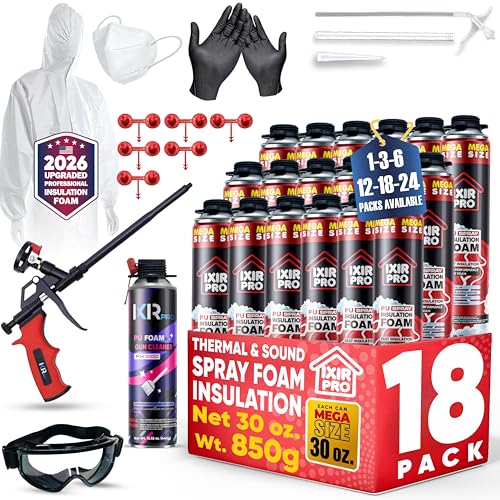
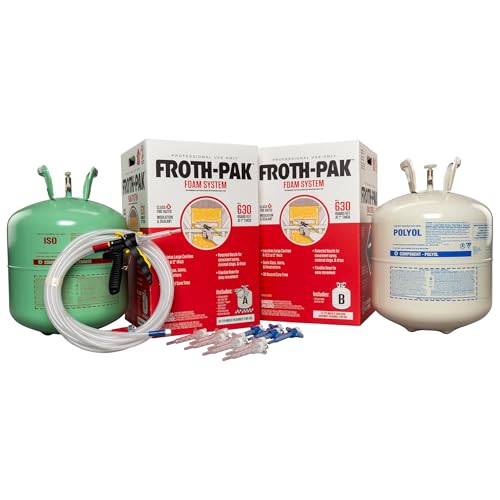
Spray Foam Insulation Kit

Vapor Barrier Plastic Sheeting

3 Rolls Vapor Barrier Tape,4" x 180 ft,Waterproof Seam Tape for Insulation
$41.99
Check price on Amazon

Blue Summit Supplies Vapor Barrier Tape, 3.78” x 180’ Roll, 9mm, Waterproof
$22.79
Check price on Amazon

ALORAIR 12 mil Crawl Space Vapor Barrier 10' x 100' Plastic Sheeting
$192.99
Check price on Amazon
As an Amazon Associate I earn from qualifying purchases. Product links on this page may earn us a commission at no extra cost to you.
Prices as of Oct 1, 2026, 4:38 AM UTC. Product prices and availability are accurate as of the date/time indicated and are subject to change. Any price and availability information displayed on Amazon.com at the time of purchase will apply to the purchase of this product.
How this calculator works
- Wall area = 2 x (length + width) x height - openings
- Roof area = length x width x pitch factor
- R-value = material R per inch x thickness
- Board feet = area x thickness in inches
Frequently asked questions
Why does insulation fail in a metal building?
Because the steel panel is impermeable and cold, so it is the surface where water vapour in the air reaches its dew point and condenses. Any system that lets humid indoor air reach the back of the panel will produce liquid water, regardless of how much R-value is in front of it. That is why batts stuffed against bare steel are the classic failure — the insulation is fine, the air path is the problem.
What is the best insulation for a metal building?
Closed-cell spray foam applied directly to the steel, because it bonds to the panel and is its own vapour retarder, so there is no air gap for moist air to occupy. Faced fibreglass blanket installed over the frame before the panels go on is the other established approach, and it has to go in during construction. Retrofitting a building that is already up narrows the sensible options considerably.
How thick should metal building insulation be?
Thick enough that the inside face of the insulation stays above the dew point of your indoor air, which depends on your climate and how the building is used — a heated workshop with people in it makes far more moisture than dry storage. The calculator shows R-value against the zone recommendation, but treat condensation control as the governing constraint and R-value as the secondary one.
Can you insulate a metal shed to stop condensation?
Yes, and it is usually the reason people want to. The approach that works is rigid board sealed at the joints or foam adhered to the panel, plus ventilation so the moisture you generate has somewhere to go. Adding insulation without ventilation often makes a metal shed wetter, because you have made the panel colder relative to the air inside while giving the moisture nowhere to escape.
Do I need a vapour barrier in a steel building?
You need a vapour control layer on the warm side, and in a steel building the material doing the insulating is often doing that job too. What you must avoid is trapping a vapour barrier on both sides of an assembly, which leaves any moisture that does get in with no way out. Decide which side is warm in your climate and put the control layer there deliberately.
Related calculators
Free app
Run this calculator on your phone
Offline-ready, saves your results, no signup.
Wall area
880 sq ft