How-to
How to Find Cold Spots and Air Leaks in Your House
You cannot seal what you cannot find. These five methods run from free to professional, and the first three catch most of what matters.
Updated January 2026 · about 6 min read
1. The hand and candle test
On a cold or windy day, close all windows and doors, turn on the bathroom and kitchen exhaust fans to depressurize the house, then move a wet hand or a smoking incense stick slowly around window frames, door edges, outlets, baseboards and attic hatches. Movement in the smoke means a leak.
2. Infrared thermometer
A $30 point-and-shoot thermometer shows cold spots along exterior walls, headers and rim joists when it is cold outside. It is spot-reading only, so scan slowly in a grid pattern.
3. Thermal imaging camera
Phone-attachment thermal cameras have collapsed in price and show missing insulation, wet insulation and air leaks as clear plumes. Best used with a 15°F or greater difference between inside and outside temperature.
Gear for this job

Etekcity Infrared Thermometer Laser Temperature Gun, -58℉~1382℉, D:S 16:1
$28.99
Check price on Amazon
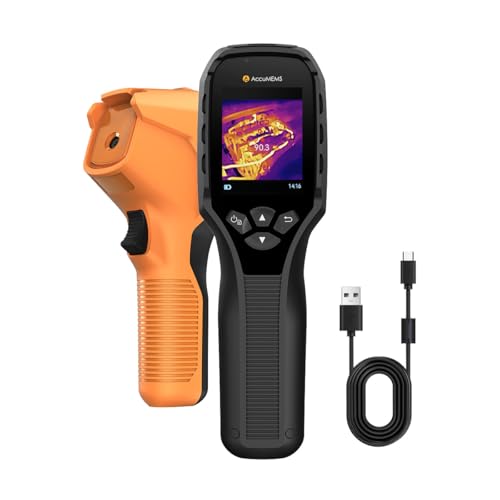
GT14S Thermal Imaging Camera with Edge Enhancement, Thermometer Mode
$89.99
Check price on Amazon

AccuMEMS GT14S Thermal Imaging Camera, Thermometer Mode, Ultra-Light 240g
$129.99
Check price on Amazon

eT650D Temperature Gun by ennoLogic - Dual Laser Non-Contact Infrared Thermometer -58°F to 1202°F - NIST Option Available - Accurate Digital Surface IR Thermometer (Not for Body Temp)
$74.95
Check price on Amazon
As an Amazon Associate I earn from qualifying purchases. Product links on this page may earn us a commission at no extra cost to you.
Prices as of Oct 11, 2026, 4:41 AM UTC. Product prices and availability are accurate as of the date/time indicated and are subject to change. Any price and availability information displayed on Amazon.com at the time of purchase will apply to the purchase of this product.
As an Amazon Associate I earn from qualifying purchases. Product links on this page may earn us a commission at no extra cost to you.
4. Visual attic and basement inspection
Dirty, dark-stained insulation is filtering air. Check around plumbing stacks, wiring penetrations, dropped soffits and the rim joist. Daylight visible at the eaves or hatch is a leak you can point at. An uninsulated attic hatch is one of the biggest single holes in the ceiling; the attic hatch insulation calculator sizes the foam layers and the dam around it.
5. Blower door test
A professional energy audit pressurizes the house with a calibrated fan and reports air changes per hour. It costs $200–$600, is often free or discounted through utility programs, and is the only method that gives you a before-and-after number.
Found the leaks? Seal them with our air sealing product picks. Drafty garage door? See the best garage door insulation kits.
Run the numbers
Frequently asked questions
- What is the best tool for finding air leaks?
- A thermal camera finds the most leaks fastest, but a depressurized house plus an incense stick finds nearly as many for free.
- When is the best time to test for drafts?
- A cold, windy day. The bigger the temperature and pressure difference between inside and outside, the more obvious the leaks.
- Where are the biggest air leaks usually found?
- The attic plane and the basement rim joist — not windows. Windows feel drafty but usually account for a small share of total leakage.
Insulation gear worth owning
The tools and materials that show up on almost every insulation job.
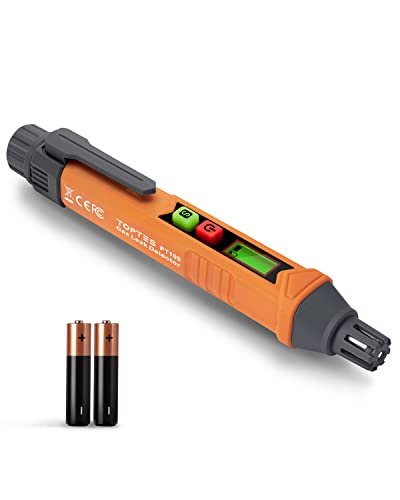
PT199 Natural Gas Leak Detector with Audible & Visual Alarm, Portable Gas Sniffer to Locate Combustible Sources Like Methane, Propane for Home(Includes Battery x2)-Orange
$22.99
Check price on Amazon
Etekcity Infrared Thermometer Laser Temperature Gun, -58℉~1382℉, D:S 16:1
$28.99
Check price on Amazon

TOPDON TC004 Mini Thermal Imaging Camera, 240 x 240 TISR Resolution
$159.00
Check price on Amazon
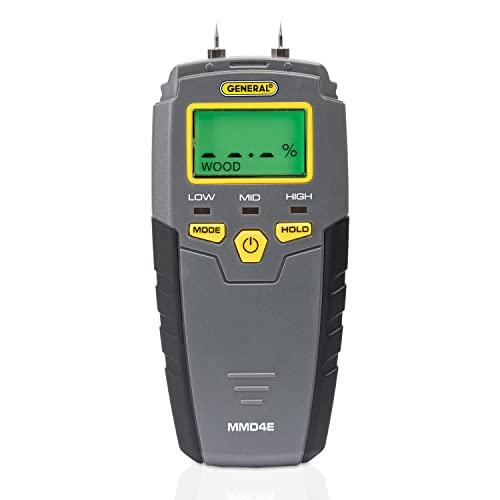
General Tools MMD4E Moisture Meter for Wood, Walls & Water Leak Detection
$39.98
Check price on Amazon
As an Amazon Associate I earn from qualifying purchases. Product links on this page may earn us a commission at no extra cost to you.
Prices as of Oct 11, 2026, 4:41 AM UTC. Product prices and availability are accurate as of the date/time indicated and are subject to change. Any price and availability information displayed on Amazon.com at the time of purchase will apply to the purchase of this product.